Editable 2024 Addiction Recovery Planner: A Practical Tool for Building Lasting Change
Recovery is rarely a straight line. It involves daily decisions, moments of reflection, setbacks, and small victories that accumulate over time. One of the most effective ways to stay grounded in that process is to have a structured system for tracking progress, identifying triggers, and reinforcing coping strategies. The Editable 2024 Addiction Recovery Planner serves exactly that purpose. More than a simple notebook, this Canva-based template gives you complete control over how you document and manage your recovery journey. Whether you are in early recovery or years into maintenance, having a personalized planner helps transform abstract goals into concrete actions.
This article walks through what the planner is, how it integrates into real recovery workflows, and practical steps for getting the most out of it. No fluff. Just useful guidance for anyone ready to take an active role in their own healing.
What the Editable 2024 Addiction Recovery Planner Actually Does
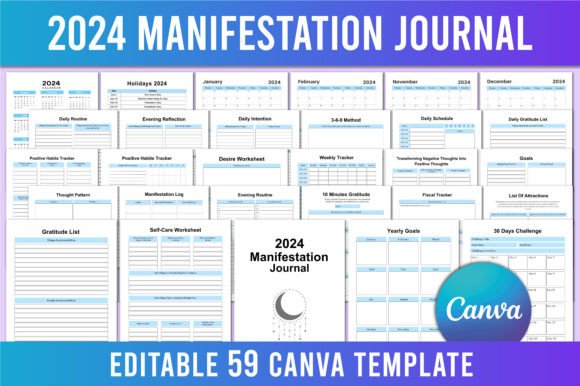
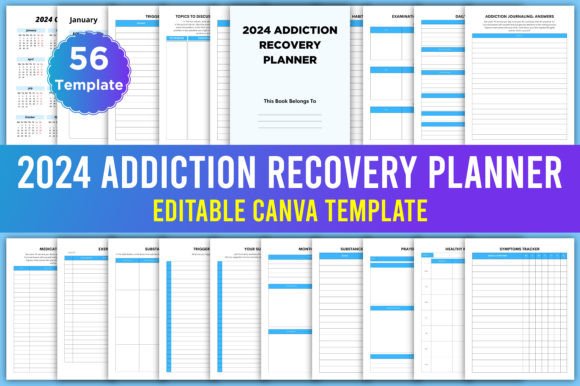
At its core, this planner is a set of customizable templates designed to help you organize progress, goals, and coping mechanisms. Because it is built inside Canva, you can edit every element—colors, fonts, layouts, prompts, and sections—to match your personal needs. The final output includes print-ready PDF, JPEG, and PNG files, so you can use it digitally, print it at home, or send it to a professional printer.
Key capabilities include:
- Flexible goal tracking: Break down long-term recovery milestones into daily or weekly actions.
- Trigger and coping strategy logs: Identify patterns and document what works when cravings or difficult emotions arise.
- Self-reflection prompts: Guided questions that encourage honest assessment without judgment.
- Customizable visual design: Adjust the look and feel so the planner feels like yours, not a generic template.
This is not a passive journal. It is an active tool that you shape around your specific circumstances, whether you are working with a counselor, attending support groups, or navigating recovery on your own.
Where the Planner Fits Into a Broader Recovery Process
Recovery involves multiple layers: clinical support, social connection, lifestyle changes, and personal accountability. The planner sits squarely in the personal accountability layer. It complements therapy sessions, 12-step meetings, medical appointments, and peer support by giving you a space to consolidate what you learn and plan your next steps.
Before a Therapy Session or Support Group Meeting
Use the planner to jot down observations from the past week. What situations tested your resolve? Which coping strategies worked? Having these notes ready makes your time with a counselor or sponsor more productive. Instead of trying to remember on the spot, you bring concrete examples that lead to deeper discussion.
During Daily Reflection
Set aside five to ten minutes each morning or evening to update your planner. This consistent practice builds self-awareness and reinforces the habits that support sobriety. The act of writing itself can be calming and centering, especially when emotions are high.
After a Setback or Relapse
A relapse is not a failure. It is information. The planner provides a structured way to analyze what happened without spiraling into shame. Document the circumstances, the feelings leading up to it, and what you might do differently. This turns a difficult experience into a learning opportunity that strengthens your recovery.
How the Planner Interacts with Other Resources
The Editable 2024 Addiction Recovery Planner does not exist in isolation. It works alongside:
- Clinical treatment plans: Use the planner to track assignments from your therapist or counselor and monitor your progress between sessions.
- Support group literature: If you follow a specific program, you can adapt the planner prompts to align with its steps or principles.
- Health and wellness apps: Pair the planner with habit trackers, meditation apps, or fitness logs to get a fuller picture of your overall wellbeing.
- Family or accountability partners: Share printed pages or digital exports with someone you trust to keep you accountable.
The template’s flexibility means you can integrate it with whatever system you already use. Nothing about it requires you to abandon other tools. Instead, it fills the gaps that generic planners often leave open.
Practical Implementation Tips
Getting the most out of this planner comes down to how you set it up and use it consistently. Here are actionable steps that work for people with busy schedules, fluctuating motivation, and real-life demands.
1. Make a Copy Before Editing
Open the template link in Canva and immediately create a duplicate. This preserves the original design if you ever want to start fresh or compare versions. Canva makes this simple: just click “File” then “Make a copy.” Work from the copy so you never lose the source file.
2. Customize for Your Recovery Stage
Someone in early recovery has different needs than someone maintaining long-term sobriety. Adjust the prompts accordingly. Early on, you might emphasize daily check-ins and trigger tracking. Later, you might shift toward gratitude logs, goal setting, and relapse prevention planning. The template is editable for exactly this reason.
3. Choose Your Format Based on Lifestyle
If you prefer digital, use the PNG or JPEG files for quick mobile access or integrate them into a notes app. If you like the tactile feel of pen and paper, print the PDF and bind it. Some people do both: keep a digital master and print weekly sheets. Test both approaches and stick with what you actually use.
4. Start Small to Build Momentum
Do not try to fill every section on day one. Pick two or three prompts that feel most relevant. Complete them for a week. Then add another section. Gradual expansion prevents overwhelm and helps the planner become a natural part of your routine rather than a chore.
5. Review and Revise Regularly
Set a monthly review session where you look back at what you wrote. Notice patterns. Which strategies appear most often? What triggers keep showing up? Use those insights to refine your approach. The planner evolves with you. If a section stops being useful, change or remove it.
Workflow Examples for Different Scenarios
Here is how three different people might use the same template in distinct ways.
Case 1: The professional with limited time. A marketing manager in her thirties uses the planner on her tablet during lunch breaks. She focuses on the daily mood check-in, a brief trigger log, and one goal for the next 24 hours. The entire process takes under ten minutes. On weekends, she spends fifteen minutes reviewing the week and planning ahead.
Case 2: The parent balancing family and recovery. A father of two prints the PDF and keeps it on his nightstand. He writes in it after everyone is asleep. His sections emphasize patience strategies, sleep quality tracking, and gratitude prompts. The printed format keeps him away from screens during wind-down time.
Case 3: The group participant who wants structure. A man attending weekly AA meetings uses the planner to prepare before each meeting. He notes one success from the week, one challenge, and one thing he wants to share. After the meeting, he records any insights or feedback he received. The planner becomes a bridge between meetings, helping him stay engaged between sessions.
Factors That Affect Long-Term Use
A planner is only as good as your willingness to use it. Several factors influence whether this tool becomes a lasting part of your recovery or collects dust on a shelf.
- Consistency over perfection: You do not need to write every day. Aim for three to four entries per week. Missing a day is fine. Missing a month means it is time to reassess whether the format works for you.
- Privacy and security: If you store digital files, use a password-protected folder or a secure cloud service. If you print pages, keep them in a private location. Recovery is personal, and your planner should feel safe.
- Periodic redesign: Every few months, open the Canva template and make small updates. Change the color scheme, adjust prompts, or reorganize sections. This keeps the planner fresh and prevents it from feeling stale.
- Integration with professional guidance: Show your planner to your therapist or counselor. They can offer suggestions for additional prompts or help you interpret patterns you might miss on your own.
Why Customization Matters for Accountability
Pre-printed planners assume everyone’s journey looks the same. That is rarely true. The Editable 2024 Addiction Recovery Planner Canva Personalized 2024 Addiction Recovery Planner Canva Interior removes that limitation. You decide what goes in and what stays out. If a certain prompt triggers shame rather than insight, delete it. If you need more space for medication tracking or appointment logs, add pages. This level of control makes the planner feel like an extension of your own thinking rather than a one-size-fits-all product.
Customization also supports long-term engagement. When you invest time in making something your own, you are more likely to keep using it. The act of editing itself becomes part of the recovery process—a deliberate choice to take ownership of your healing.
Maintaining Quality and Consistency Over Time
Because the planner uses high-quality print-ready files, you can produce professional-looking copies whenever you need them. This matters if you want to share pages with a support network or keep a clean archive of your progress. The JPEG and PNG formats are useful for quick digital backups or for inserting entries into a digital journal.
To maintain consistency:
- Use the same Canva account for all edits so you retain access to your version history.
- Save a master copy each month as a separate file. Label it by date range so you can track changes over time.
- If you print, use good-quality paper and a binder that opens flat. Cheap materials can make writing uncomfortable and reduce your willingness to use the planner.
Final Observations on Integration and Effectiveness
No tool guarantees recovery. What the Editable 2024 Addiction Recovery Planner offers is a structured, adaptable framework for the daily work that recovery requires. It works best when you treat it as a living document—something you adjust as your needs change, your understanding deepens, and your goals shift.
Integrate it into your existing routine rather than treating it as an additional task. Pair it with the resources you already trust. Keep the process simple enough that you can maintain it even on difficult days. And remember that the point is not to fill every page. The point is to stay connected to your own progress, one entry at a time.
Whether you are building a recovery plan for the first time or refining one that has carried you through years of sobriety, this planner gives you the flexibility to work on your terms. That flexibility, combined with consistent use, is what turns a set of templates into a genuine support system.